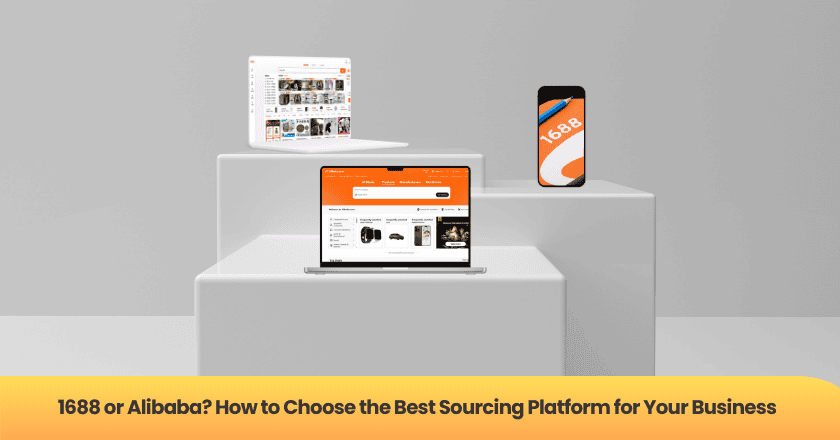
When navigating the complex landscape of Chinese sourcing, you may wonder: What is the true difference between 1688 and Alibaba? While both are powerhouse marketplaces under the Alibaba Group, they are engineered for fundamentally different business models. The distinction centers on more than just language; it's about understanding the divergent pricing tiers, supply chain logistics, and payment security protocols that impact your landed cost. Whether you are a high-volume importer or a scaling e-commerce brand, choosing the right platform requires a strategic look at how domestic Chinese manufacturing connects with global trade demands.
Key Takeaways
- 1688 is ideal for Chinese businesses seeking lower prices and direct access to suppliers, while Alibaba caters to international buyers with a focus on global trade.
- Language barriers exist on 1688, as it operates primarily in Chinese. Using translation tools can help non-Chinese speakers navigate the platform.
- Alibaba offers a variety of secure payment options and integrated logistics solutions, making it easier for international buyers to manage transactions and shipping.
- Both platforms have unique strengths: 1688 provides lower prices and bulk purchasing, while Alibaba ensures supplier verification and easier communication.
- Consider your business needs and capabilities when choosing a platform. 1688 suits those who can handle language challenges, while Alibaba is better for those needing global support.
What is 1688?
1688 Overview
1688 is widely recognized as a leading domestic Chinese wholesale marketplace. This platform connects buyers directly with manufacturers, wholesalers, and suppliers across a wide range of industries. 1688 operates under the umbrella of a major e-commerce group in China. Users can access millions of products, from raw materials to finished goods, all at competitive prices. The platform mainly serves the Chinese market, but it offers significant sourcing opportunities for international businesses that understand its operation.
1688 Features
Several key features make 1688 stand out. The platform offers a vast product selection, covering categories such as electronics, apparel, home goods, and machinery. Direct negotiation with suppliers allows for greater control over procurement costs. The site supports bulk purchasing, enabling lower prices for larger orders. Most transactions occur in Chinese Yuan (RMB), and the interface is primarily in Chinese. Navigating the site efficiently often requires translation tools or local partners.
Tip: Use browser translation extensions to help you understand product listings and supplier communications on 1688.
Who Uses 1688?
1688 attracts a diverse range of users. Chinese retailers, wholesalers, and manufacturers use the platform to source inventory and raw materials. Many small and medium-sized businesses rely on 1688 for cost-effective procurement. Operators outside China may find the platform challenging due to language and payment barriers. However, the low prices and product variety remain highly beneficial with the right resources.
What is Alibaba?
Alibaba Overview
Alibaba is established as one of the world's largest online B2B marketplaces. The platform serves as a bridge between global buyers and suppliers, manufacturers, and exporters from China and many other countries. You can browse millions of products across almost every industry. Alibaba simplifies the process of finding suppliers for bulk purchases, private label products, and custom manufacturing. The platform focuses on international trade, so you can source products for your business no matter where you are located.
Alibaba Features
Several distinct features define Alibaba's global appeal. The platform supports multiple languages, facilitating communication with suppliers from different regions. Secure payment methods, such as Trade Assurance, are available to protect transactions. Alibaba offers tools for product customization, sample ordering, and supplier verification. Buyers can compare prices, read reviews, and negotiate directly. The platform also provides logistics solutions, so you can arrange shipping and track your orders with ease.
Note: Always check supplier ratings and reviews before placing large orders. This step helps you avoid potential risks and ensures a smoother sourcing experience.
Who Uses Alibaba?
Alibaba hosts a vast demographic of users. International wholesalers, retailers, and e-commerce sellers use the platform to source products for their businesses. Many startups and established companies rely on alibaba to find reliable suppliers and expand their product lines. Those looking to import goods from overseas benefit significantly from the platform’s global reach and supplier network. Alibaba serves both small businesses and large enterprises, making it a flexible solution for different sourcing needs.
1688 vs Alibaba: Key Differences
Pricing Comparison
A clear difference in pricing is evident when comparing 1688 vs alibaba. 1688 often offers lower prices because it targets the domestic Chinese market. Suppliers on 1688 usually set prices for bulk orders, offering better value for e-commerce sellers who want to maximize profit margins. Alibaba, as a global b2b marketplace, includes more international transaction costs, such as higher shipping fees and payment processing charges. Prices on Alibaba may appear higher, but reflect additional international support costs. If you want transparent pricing and direct access to manufacturers, 1688 can be a strong choice. However, Alibaba provides a more streamlined experience for overseas buyers who need additional services.
Target Audience
1688 mainly serves Chinese wholesalers, retailers, and manufacturers. The majority of users are local businesses looking for bulk procurement. Alibaba, on the other hand, focuses on international buyers, including ecommerce entrepreneurs, importers, and large companies. For e-commerce businesses operating outside China, Alibaba offers a more accessible platform. 1688 appeals to those who can navigate the Chinese market and want lower prices. The alibaba vs. 1688 debate often centers on whether the priority is local sourcing or global reach. Both platforms support b2b transactions, but their target audiences differ significantly.
Language and Communication
Language creates a major barrier for many buyers. 1688 operates almost entirely in Chinese. Proficiency in Chinese or translation tools is required to communicate with suppliers and understand product details. Alibaba supports multiple languages, including English, which simplifying negotiation and requirement clarification. For those valuing smooth communication, Alibaba stands out as the preferred b2b marketplace for international users. 1688 requires more effort but can reward you with better value for ecommerce sellers who overcome the language challenge.
Payment Methods
Payment options differ significantly between the two platforms. 1688 usually accepts payments in Chinese Yuan through local methods like Alipay or bank transfer. International credit cards and PayPal are rarely supported. This can make transactions difficult for overseas buyers. Alibaba, as a global sourcing platform, offers a wide range of payment methods, including credit cards, PayPal, and Trade Assurance. These options protecting funds and simplifying cross-border payments. Where flexible and secure payment solutions are needed, Alibaba provides more convenience.
Shipping and Logistics
Shipping and logistics play a crucial role in your sourcing decision. 1688 suppliers typically ship within China, necessitating separate arrangements for international freight.
This adds complexity and may increase costs. Alibaba integrates global shipping solutions, allowing for order tracking and logistics management. You can choose from various shipping methods and receive support for customs clearance. For a seamless shipping experience, Alibaba offers superior options. 1688 works best if you have a reliable freight forwarder or sourcing agent.
Supplier Verification
Supplier verification is a critical consideration. 1688 features many small factories and wholesalers, but not all suppliers are verified manufacturers. Extra research may be required to confirm product authenticity and supplier reliability. Alibaba invests heavily in supplier verification, offering badges for verified suppliers and verified manufacturers. Reviews, ratings, and certifications are readily available for checking. This reduces risk and increases trust in the business-to-business process. If authenticity matters to you, Alibaba provides more tools for supplier evaluation.
Dropshipping and Sourcing Agents
Dropshipping and sourcing agents can help overcome barriers on 1688. Many international ecommerce sellers use sourcing agents to handle communication, payment, and shipping. These agents bridge the gap between international buyers and Chinese suppliers, making 1688 accessible even if you do not speak Chinese. Alibaba supports dropshipping through its platform and third-party integrations.
Connect with verified suppliers who offer dropshipping services, which simplifies order fulfillment for your ecommerce business. Both platforms support b2b and ecommerce models, but Alibaba offers more built-in solutions for global sellers.
Tip: Always verify supplier credentials and request samples to ensure product authenticity and quality before committing to large orders.
By understanding these key differences, you can choose the sourcing platform that best fits your business needs and ecommerce goals.
Pros and Cons: Alibaba vs. 1688
1688 Pros and Cons
You may find that 1688 offers unique advantages for sourcing products. Here are the main pros and cons you should consider:
Pros:
- Lower Prices: Access to factory-direct pricing maximizes profit margins.
- Wide Product Selection: Millions of products available across every category.
- Direct Supplier Access: YDirect negotiation with manufacturers offers more order control.
- Bulk Purchasing: You can secure better deals when you buy in large quantities.
Cons:
- Language Barrier: Navigating the platform requires Chinese language proficiency.
- Limited Payment Options: You may face challenges with payment methods, as most suppliers accept only local options.
- Complex Logistics: International shipping must be arranged independently.
- Supplier Verification: You must spend more time verifying suppliers to ensure product quality and reliability.
Tip: Use translation tools and sourcing agents to overcome language and payment barriers on 1688.
Alibaba Pros and Cons
Alibaba provides a different set of strengths and weaknesses for international buyers. Consider these points before making your decision:
Pros:
- Global Accessibility: You can use the platform in multiple languages, which makes communication easier.
- Flexible Payment Methods: You have access to secure payment options, including credit cards and escrow services.
- Integrated Logistics: You can manage shipping and track orders directly through the platform.
- Supplier Verification: You can check supplier credentials, reviews, and certifications for added peace of mind.
Cons:
- Higher Prices: You may pay more due to international transaction fees and higher supplier margins.
- MOQ Requirements: You often need to meet minimum order quantities, which may not suit small businesses.
- Longer Lead Times: You may experience longer production and shipping times for custom or bulk orders.
Note: Always compare both platforms based on your business needs, budget, and sourcing experience.
Which Platform is Best for You?
International Buyers
For operators outside China, Alibaba is generally more accessible. The platform supports multiple languages and offers secure payment methods. Communication and logistics management are streamlined. Alibaba provides verified suppliers, which reduces your risk. You can source products for e-commerce, retail, or wholesale with confidence. If you want a straightforward process, Alibaba fits your needs.
Tip: Use Alibaba's Trade Assurance to protect your payments and ensure product quality.
Local Chinese Buyers
For businesses based in China, 1688 offers the best value. You can access factory-direct prices and a wide range of products. The platform operates in Chinese, which makes communication smooth. You can negotiate directly with suppliers and arrange local shipping. 1688 helps you keep costs low and source inventory quickly. You will benefit from the platform’s focus on the domestic market.
Small Businesses
Small business owners prioritize low costs and flexibility. 1688 offers lower prices and bulk deals, but you may face language and payment barriers. Alibaba provides easier access for international small businesses, with support for smaller orders and secure payments. Comparing both platforms based on language skills and logistics needs is recommended.
| Platform | Best For | Key Advantage |
|---|---|---|
| 1688 | Chinese small businesses | Lowest prices |
| Alibaba | International small businesses | Easy access and support |
Large Businesses
If you manage a large business, you need reliable suppliers and streamlined logistics. Alibaba offers supplier verification, bulk order management, and global shipping solutions. You can scale your sourcing operations with confidence. 1688 provides direct access to manufacturers, which helps you negotiate better deals. You should choose the platform that matches your operational scale and market focus.
Note: Evaluate your business goals, language skills, and logistics capabilities before choosing a platform.
How to Use 1688 and Alibaba
Steps to Use 1688
Start sourcing from 1688 with these essential steps:
1. Create an Account
Register on the 1688 website. A valid phone number and email address are required.
2. Search for Products
Use keywords or images to find products. Use advanced filters for categories, price, and supplier type.
3. Communicate with Suppliers
Contact suppliers using the built-in chat tool. Most suppliers communicate in Chinese, so translation tools can help.
4. Negotiate Terms
Discuss pricing, minimum order quantity, and product specifications. Confirm all details before placing an order.
5. Arrange Payment
Pay using accepted methods such as Alipay or bank transfer. International payment options remain limited.
6. Organize Shipping
Coordinate with a freight forwarder or agent to handle international shipping and customs clearance.
Tip: Always request product samples to verify quality before making a large purchase.
Steps to Use Alibaba
Navigate Alibaba using these straightforward steps:
1. Sign Up for an Account
Register with your business email and complete your profile.
2. Search and Compare Products
Browse products using keywords, categories, or supplier filters. Compare prices and supplier ratings.
3. Contact Suppliers
Use Alibaba's messaging system to ask questions and request quotations.
4. Negotiate and Place Orders
Discuss order details, negotiate prices, and confirm terms. Use Alibaba's Trade Assurance for added security.
5. Select Payment and Shipping Options
Choose from multiple payment methods. Arrange shipping directly through the platform or with your logistics partner.
Note: Check supplier certifications and reviews to reduce risk.
NewBuyingAgent
Related Resources


Get Started Today
Let's Turn Your Sourcing Goals into RealityWeChat:+86 15157124615
WhatsApp:+86 15157124615
Address:Building 10 #39 Xiangyuan Road, Hangzhou, China