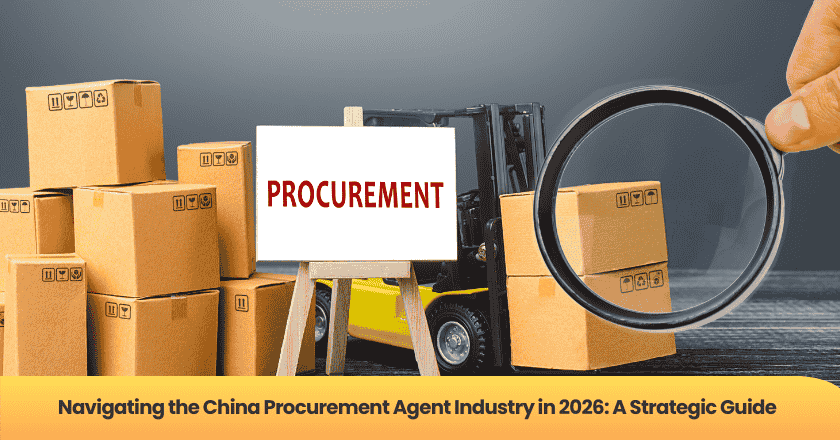
Businesses are facing rapid shifts within the China procurement agent industry in 2026.New technology, shifting regulations, and evolving market expectations drive these trends. As you navigate procurement in China, understanding these shifts helps you make smarter decisions and gain a competitive edge. Focus on practical strategies to adapt quickly and maximize your success.
Key Takeaways
- Embrace AI and automation to enhance sourcing efficiency. These technologies help analyze data and streamline operations, leading to cost savings.
- Prioritize transparency and compliance in your supply chain. Regular audits and adherence to ESG standards build trust and ensure ethical sourcing.
- Diversify your supplier base to mitigate risks. Explore sourcing options beyond China to improve resilience against geopolitical tensions.
- Build strong relationships with suppliers through clear communication and regular performance reviews. This fosters reliability and mutual growth.
- Stay informed about regulatory changes and market trends. Proactive adaptation ensures your procurement strategies remain competitive and effective.
Technology Trends in China Procurement
AI and Automation in Sourcing
You see rapid changes in the way companies approach procurement in China. AI-driven analytics have become the cornerstone of strategic sourcing decisions. Automation streamlines repetitive tasks, making your workflow more efficient. You can use AI to analyze supplier data, predict demand, and identify cost-saving opportunities. Many procurement teams in China rely on automated systems to manage orders, track shipments, and monitor supplier performance. You gain faster response times and reduce human error. AI tools help you evaluate supplier reliability and product quality. You can focus on strategic sourcing while machines handle routine operations. These technology trends shape the future of procurement in China.
Digital Transformation
Digital transformation impacts every aspect of procurement in China. You notice that procurement platforms now offer advanced analytics and real-time communication. AI-powered dashboards give you instant access to market data and supplier ratings. You can compare prices, negotiate terms, and finalize contracts without leaving your desk. Automation reduces paperwork and speeds up approvals. You benefit from transparent processes and improved collaboration. Digital tools help you manage sourcing projects across multiple regions in China. You can track progress, resolve issues, and ensure compliance with local regulations. Technology empowers you to make smarter procurement decisions.
Data-Driven Procurement Decisions
Data drives procurement success in China. You collect information from suppliers, market reports, and internal systems. AI analyzes this data to reveal patterns and forecast trends. You use these insights to select the best suppliers and negotiate favorable terms. Data-driven procurement helps you avoid risks and seize new opportunities. You can monitor supplier performance, track delivery times, and measure product quality. AI tools alert you to potential problems before they affect your business. You make informed decisions that improve sourcing outcomes. Data gives you a competitive edge in the fast-changing China procurement landscape.
Tip: Start using AI-powered analytics to evaluate suppliers and optimize your sourcing strategy. You will see improvements in cost control and risk management.
| Technology | Benefit for Procurement in China |
|---|---|
| AI | Predicts demand, improves supplier selection |
| Automation | Reduces manual work, speeds up processes |
| Data Analytics | Informs decisions, identifies trends |
You can leverage these technology trends to enhance your procurement operations in China. Focus on adopting AI and automation to stay ahead in sourcing and supply chain management.
Ethical Supply Chains and Compliance
Transparency and ESG Standards
You see a growing demand for transparency in supply chains. Many companies now expect you to track every step of the procurement process. Suppliers in China must share information about their labor practices, environmental impact, and sourcing methods. You need to understand ESG standards, which cover environmental, social, and governance factors. These standards help you evaluate suppliers and ensure ethical sourcing. You can use supplier scorecards to compare ESG performance. This approach supports responsible procurement and builds trust with your customers.
Note: ESG compliance is not just a trend. It is a requirement for global competitiveness.
Supplier Audits in China
You must conduct regular audits to verify supplier compliance. Audits help you identify risks and ensure suppliers meet your standards. In China, you can use third-party auditors or develop your own audit teams. You should check for issues like labor violations, unsafe working conditions, and environmental hazards. Audits also help you monitor procurement costs and quality. You can create a checklist for supplier audits:
- Review supplier documentation
- Inspect production facilities
- Interview workers
- Assess environmental practices
- Verify certifications
You improve your procurement outcomes when you audit suppliers consistently.
Regulatory Shifts Affecting Agents
You face new regulations in China that impact procurement agents and suppliers. Authorities now require stricter documentation and reporting. You must stay updated on regulatory trends to avoid penalties. Suppliers must adapt to changing rules about product safety, labeling, and export controls. You should work closely with suppliers to ensure compliance. You can use a table to track regulatory changes:
| Regulation | Impact on Suppliers | Action for Procurement |
|---|---|---|
| Product Safety Law | Higher standards | Update supplier requirements |
| Export Controls | Restricted items | Review export documentation |
| Labor Law Updates | Worker protections | Audit supplier practices |
You gain a competitive advantage when you respond quickly to regulatory shifts and support ethical supply chains.
China Trade Trends and Geopolitical Impacts
Diversification Beyond China
You see many businesses exploring new sourcing destinations as part of their strategy. Companies now look beyond China to reduce risk and improve supply chain resilience. You can diversify suppliers by considering countries in Southeast Asia, South Asia, or Eastern Europe. This approach helps you respond to changing China trade trends and global uncertainties. You gain flexibility and avoid disruptions caused by geopolitical tensions or regulatory changes. Diversification also allows you to compare costs and quality across different regions.
Tip: Create a supplier matrix to evaluate potential partners outside China. This tool helps you track performance, pricing, and reliability.
Friendshoring and Global Sourcing
You notice a shift toward friendshoring in global trade. Businesses prefer sourcing from countries with stable political relationships and shared values. You can strengthen your supply chain by choosing partners in friendly nations. This strategy supports long-term stability and reduces exposure to sudden policy changes. Global sourcing expands your options and gives you access to new markets. You can leverage China trade trends to identify emerging opportunities and build a more robust network.
| Sourcing Strategy | Benefit | Challenge |
|---|---|---|
| Diversification | Reduces risk | Complex logistics |
| Friendshoring | Stable supply | Limited options |
| Global Sourcing | Market access | Regulatory issues |
Risk Management Strategies
You must develop strong risk management strategies to navigate modern trade environments. Start by mapping your supply chain and identifying key vulnerabilities. You can use scenario planning to prepare for disruptions in China trade trends. Monitor global news and policy updates to stay ahead of changes. Build contingency plans for logistics, inventory, and supplier relationships. You improve your resilience by maintaining open communication with partners and regularly reviewing your risk profile.
Note: Proactive risk management ensures business continuity and protects your competitive position in global trade.
Supplier Relationships and Sourcing Models
Building Partnerships in China
You build strong partnerships with suppliers in China by focusing on clear communication and mutual goals. You set expectations for quality, delivery, and pricing from the start. You visit factories to understand their capabilities and culture. You maintain regular contact to address issues quickly. You share market trends and trade updates to help suppliers adapt. You create long-term relationships by honoring agreements and providing feedback. You gain trust and reliability in your procurement process.
Tip: Schedule quarterly reviews with your suppliers to discuss performance and new trade opportunities.
Vetting and Onboarding Suppliers
You vet suppliers in China to ensure they meet your standards. You request documentation such as business licenses and certifications. You check references and review past trade records. You conduct site visits to verify production capacity and quality control. You use a checklist to streamline onboarding:
- Confirm legal registration
- Review compliance with procurement policies
- Inspect facilities for safety and quality
- Assess financial stability
- Evaluate communication skills
You onboard suppliers who align with your procurement goals. You monitor their performance during the initial trade cycles.
| Vetting Step | Purpose |
|---|---|
| Document Review | Confirm legitimacy |
| Site Visit | Assess capabilities |
| Reference Check | Validate reputation |
| Trial Order | Test reliability |
Commission-Free Agent Models
You explore commission-free agent models to optimize your procurement in China. You avoid hidden fees and reduce costs in your trade operations. You pay for services based on order volume or fixed rates. You gain transparency in your procurement expenses. You compare agent models to find the best fit for your sourcing needs. You focus on value-added services such as quality assurance and logistics support. You improve your bottom line by choosing efficient procurement solutions.
Note: Commission-free models align with current trends in the China procurement agent industry and support cost-effective trade strategies.
Logistics and Cross-Border E-Commerce
Smart Warehousing Solutions
You see logistics evolving quickly in China. Smart warehousing solutions now use ai to optimize storage and inventory management. You can track goods in real time and predict demand with advanced algorithms. Ai helps you reduce errors and improve order accuracy. You benefit from automated picking systems and robotics that speed up fulfillment. Many warehouses in China integrate ai-driven sensors to monitor conditions and maintain product quality. You gain better control over your supply chain and respond faster to market changes.
Tip: Use ai-powered dashboards to monitor warehouse performance and identify bottlenecks.
Multi-Agent Freight Procurement
You manage freight procurement by working with multiple agents across China. Ai platforms help you compare shipping rates and select the best carriers for your trade needs. You can automate booking and track shipments from origin to destination. Ai analyzes historical data to forecast delivery times and optimize routes. You reduce costs by negotiating with several agents and leveraging competition. Multi-agent systems in China support flexible logistics strategies and improve reliability.
| Freight Procurement Method | Benefit | Challenge |
|---|---|---|
| Single Agent | Simplicity | Limited options |
| Multi-Agent | Cost savings | Coordination |
| Ai-Driven | Speed, accuracy | Tech investment |
Adapting to E-Commerce Growth
You adapt to rapid e-commerce growth in China by upgrading logistics and procurement processes. Ai tools help you manage high order volumes and streamline cross-border trade. You use automated systems to process orders, handle returns, and manage inventory. Ai forecasts demand spikes and suggests optimal stock levels. You improve customer satisfaction by offering faster delivery and transparent tracking. E-commerce in China drives innovation in logistics, making your trade operations more efficient.
Note: Embrace ai in logistics to stay competitive in the fast-changing e-commerce landscape.
Recommendations for Importers and SMEs
Choosing a China Procurement Agent
You need to select a procurement agent who understands the local market and trade regulations. Start by researching agents with proven experience in China. Look for professionals who communicate clearly and respond quickly to your inquiries. You should ask for references from other importers and review their track record in trade. Evaluate their knowledge of compliance standards and ability to manage complex sourcing projects. You must confirm that the agent uses ai tools to analyze supplier data and optimize sourcing decisions. This approach helps you reduce risks and improve efficiency.
Tip: Schedule an initial meeting with the agent to discuss your goals and expectations. Prepare questions about their sourcing process and use of ai technology.
| Criteria | Why It Matters |
|---|---|
| Local Market Expertise | Navigates regulations |
| Communication Skills | Ensures smooth collaboration |
| AI Integration | Improves sourcing accuracy |
| Compliance Knowledge | Reduces legal risks |
| References | Verifies reliability |
Checklist for Sourcing Success
You can follow a checklist to streamline your procurement process and achieve better results. Use ai-powered platforms to identify reliable suppliers and monitor market trends. Verify supplier credentials and inspect production facilities before placing orders. Track shipments and maintain records of all trade transactions. You should review contracts carefully and ensure compliance with local laws. Monitor product quality using ai-driven analytics and address issues promptly.
Sourcing Success Checklist:
1. Research suppliers using ai platforms
2. Verify business licenses and certifications
3. Inspect production sites in China
4. Review trade contracts for compliance
5. Track shipments and delivery timelines
6. Monitor product quality with ai analytics
7. Maintain clear communication with all parties
Note: Regularly update your checklist to reflect changes in trade regulations and market conditions.
Staying Competitive in 2026
You must adapt quickly to new trends in procurement and trade. Invest in ai solutions that help you forecast demand and identify emerging opportunities. Build strong relationships with suppliers in China and maintain open communication. Stay informed about regulatory updates and adjust your sourcing strategies as needed. You should diversify your supplier base to reduce risks and improve resilience. Use data analytics to measure performance and make informed decisions. Focus on continuous improvement and embrace technology to stay ahead of competitors.
- Monitor global trade news for potential disruptions
- Use ai to analyze market trends and supplier performance
- Review sourcing strategies every quarter
- Train your team on new procurement technologies
- Set clear goals for cost savings and quality improvement
Alert: Staying competitive requires ongoing learning and a proactive approach to technology adoption.
You see technology, compliance, and global trade trends reshaping procurement in China. You must act quickly to adapt your sourcing strategies and stay ahead of competitors. Focus on AI, ethical supply chains, and risk management. Build strong supplier relationships and embrace new logistics solutions.
Stay informed, invest in learning, and seek strategic partnerships. You secure your position in the evolving procurement landscape by staying proactive and open to change.
FAQ
What is the most important trend in China procurement for 2026?
You see AI and automation shaping procurement. These technologies help you analyze data, improve supplier selection, and streamline operations. You gain efficiency and reduce costs by adopting digital tools.
How do you ensure supplier compliance in China?
You conduct regular audits and review supplier documentation. You inspect facilities and verify certifications. You monitor ESG standards to maintain ethical sourcing and meet global requirements.
What strategies help you manage risks in China sourcing?
You diversify your supplier base and monitor global trade news. You use scenario planning to prepare for disruptions. You build contingency plans for logistics and inventory to protect your business.
How can you improve supplier relationships in China?
You communicate clearly and set expectations for quality and delivery. You visit factories and provide feedback. You schedule regular reviews to discuss performance and new opportunities.
What logistics solutions support cross-border e-commerce growth?
You use AI-powered warehousing and multi-agent freight procurement. You track shipments in real time and automate order fulfillment. You respond quickly to market changes and improve customer satisfaction.
NewBuyingAgent
Related Resources

Get Started Today
Let's Turn Your Sourcing Goals into RealityWeChat:+86 15157124615
WhatsApp:+86 15157124615
Address:Building 10 #39 Xiangyuan Road, Hangzhou, China