
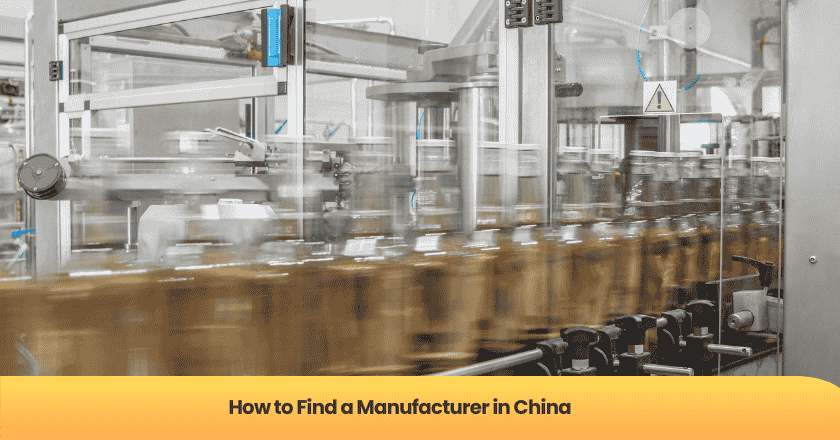
You need a clear product definition before you start to find a manufacturer. Set your sourcing goals and decide what quality you expect. When you look into how to find a manufacturer in China, always verify the factories and communicate your needs directly. Finding manufacturers in China requires careful attention to every detail. Use AI-driven solutions to make manufacturing in China more efficient. You can save costs and improve results if you use smart sourcing methods. Learn how to find a factory in China with a focus on quality control at every step.
Define Your Product and Sourcing Needs
Clarify Specifications and Order Volume
You need to start your sourcing journey with a clear understanding of your product. Write down every detail about your product, including size, material, color, and packaging. If you have a drawing or a sample, use it to show exactly what you want. This step helps you avoid misunderstandings with manufacturers.
Tip: The more specific you are, the easier it becomes to compare offers from different factories.
Decide how many units you want to order. Factories often have minimum order quantities (MOQs). If you know your order volume, you can filter out suppliers who cannot meet your needs. You also need to consider your budget and storage space when setting your order quantity.
A simple table can help you organize your product details:
| Specification | Description |
|---|---|
| Material | Stainless Steel |
| Size | 10 x 5 x 2 cm |
| Color | Matte Black |
| Packaging | Individual Box |
Set Quality Standards
You must set clear quality standards before you contact any manufacturer. Define what quality means for your product. This could include durability, finish, safety, or compliance with specific regulations.
List your quality requirements in bullet points:
- No visible scratches or defects
- Consistent color and finish
- Meets safety standards for your market
- Passes functional tests
Explain your standards to the manufacturer in simple language. Ask for confirmation that they can meet these requirements. Request documentation or certificates if your product needs to comply with certain regulations.
Note: Setting clear standards protects your business and helps you avoid costly mistakes.
By clarifying your specifications and quality expectations, you lay a strong foundation for successful sourcing in China.
How to Find Chinese Manufacturers Online
You need to know how to find a manufacturer in China if you want to compete in global markets. The digital age gives you many tools to connect with the best factories in China. You can use online platforms, attend trade shows, and work with sourcing agents to streamline your search. Each method offers unique advantages for manufacturing in China.
Using Alibaba, Global Sources
Online supplier directories have changed how to find a manufacturer in China. These platforms let you search thousands of manufacturers by product category, location, and certification. You can filter results to match your needs and compare suppliers side by side. This process helps you find Chinese manufacturers that meet your quality and price expectations.
Tip: Always review supplier profiles, check ratings, and read customer feedback before you contact any factory.
You can use these directories to request quotes, ask for samples, and start negotiations. This approach saves time and gives you a broad view of the manufacturing in China landscape. When you know how to find a factory in China through these platforms, you gain access to a wide network of potential partners.
Exploring Trade Shows and Directories
Trade shows remain a powerful way to connect with manufacturers. The canton fair stands out as the largest and most influential event for finding manufacturers in China. You can meet factory representatives, see product samples, and discuss your requirements face to face. This direct contact builds trust and helps you understand the capabilities of each supplier.
You should also explore industry directories and local trade associations. These resources list verified manufacturers and provide contact details. When you attend the canton fair or use these directories, you get a firsthand look at the latest trends in manufacturing in China.
Note: Prepare a list of questions and bring your product specifications to every meeting. This preparation ensures you get accurate information from each factory.
Sourcing Agents like NewbuyingAgent
If you want to simplify how to find a manufacturer in China, consider working with a sourcing agent. These professionals know how to find a factory in China that matches your needs. They handle supplier research, price negotiation, and quality control. Many agents now use AI-driven tools to identify the best options and reduce costs.
A sourcing agent can help you avoid common pitfalls in finding manufacturers in China. They verify factory credentials, arrange inspections, and manage logistics. This support lets you focus on your business while experts handle the details of manufacturing in China.
Callout: Sourcing agents often offer flexible payment terms and full compensation for quality issues. This protection gives you peace of mind when you find a manufacturer overseas.
When you combine online platforms, trade shows, and sourcing agents, you create a strong strategy for how to find a factory in China. This approach increases your chances of success and helps you build long-term partnerships with reliable manufacturers.
Shortlist and Verify Chinese Factories
Selecting the right manufacturers is a critical step in your sourcing journey. You need to create a shortlist of potential partners and verify their capabilities before you move forward. This process helps you avoid costly mistakes and ensures you work with the best factories in China.
Assess Profiles and Certifications (ISO, CE, RoHS)
Start by reviewing the profiles of each manufacturer you consider. Look for clear company information, production capabilities, and export experience. Reliable manufacturers often display certifications such as ISO, CE, or RoHS. These certifications show that the factory meets international standards for quality, safety, and environmental responsibility.
Tip: Always request copies of certifications and check their validity with the issuing organizations.
A simple table can help you compare certifications:
| Factory Name | ISO Certified | CE Mark | RoHS Compliance |
|---|---|---|---|
| Factory A | Yes | Yes | Yes |
| Factory B | No | Yes | No |
| Factory C | Yes | No | Yes |
You should prioritize factories with the right certifications for your product and target market. This step reduces risk and builds trust in your supply chain.
Request Samples and Compare Quality
Requesting samples is essential when finding manufacturers in China. Samples allow you to check the quality, materials, and workmanship before you place a large order. You can compare samples from different factories to see which one meets your standards.
Follow these steps to evaluate samples:
1. Inspect the product for defects or inconsistencies.
2. Test the product for durability and function.
3. Compare the sample to your original specifications.
4. Ask for feedback from your team or potential customers.
Note: Never skip the sample stage, even if you feel confident about a factory’s reputation.
You can use a checklist to keep your evaluation organized:
- Product matches specifications
- No visible defects
- Consistent color and finish
- Passes functional tests
This approach helps you identify the best option and avoid surprises during mass production.
Factory Audits and Third-Party Verification
Factory audits provide a deeper look into a manufacturer’s operations. You can arrange an on-site visit or hire a third-party inspection company. Audits check the factory’s equipment, workforce, production process, and quality control systems. This step is vital for how to find a factory in China that meets your requirements.
Third-party verification adds another layer of security. Independent inspectors can confirm certifications, review production records, and assess working conditions. You gain confidence that the factory can deliver consistent quality and meet deadlines.
Callout: Factory audits are especially important if you plan to order large volumes or develop long-term partnerships.
You should also consider feedback from previous clients and references. Many buyers share their experiences after attending the canton fair or using online directories. This information can help you avoid unreliable partners and focus on manufacturing in China with trusted suppliers.
By following these steps, you improve your chances of finding manufacturers in China that align with your goals. You also reduce risks and set the stage for successful manufacturing in China. Careful verification ensures you know how to find a factory in China that delivers quality and reliability.
Communicate, Negotiate, and Manage Orders
Effective Communication Tips
You need clear communication when working with manufacturers. Use simple language and avoid jargon. Share your product specifications and expectations in writing. Visual aids, such as diagrams or photos, help clarify your requirements. Respond quickly to questions from manufacturers. This builds trust and keeps your project on track.
Tip: Always confirm details in writing before production begins. This reduces misunderstandings and protects your interests.
You should schedule regular updates. Ask for progress photos and reports. This keeps you informed and allows you to address issues early.
Negotiating Terms and Payment
Negotiation plays a key role in finding manufacturers in China. You should compare offers from several suppliers. Discuss price, payment terms, and delivery schedules. Ask about minimum order quantities and lead times. Use your research from online supplier directories, including those similar to alibaba, to support your position.
A simple negotiation checklist:
- Confirm total cost and payment schedule
- Clarify shipping terms and responsibilities
- Agree on quality standards and inspection process
- Set penalties for delays or defects
You should avoid paying the full amount upfront. Many manufacturers accept deposits with the balance due after inspection. This protects your investment and encourages quality production.
Order Management and Milestones
Managing orders with the best factories in China requires a structured approach. Set clear milestones for each stage of production. Track progress using a timeline or table. Communicate regularly to confirm deadlines and resolve issues.
| Milestone | Description | Due Date |
|---|---|---|
| Sample Approval | Review and confirm sample | Week 2 |
| Production Start | Begin mass production | Week 3 |
| Midway Check | Inspect progress | Week 5 |
| Final Inspection | Quality check before ship | Week 7 |
| Shipment | Dispatch goods | Week 8 |
You should document every step. Save emails, contracts, and inspection reports. This record helps you manage disputes and ensures smooth manufacturing in China. Attending events like the canton fair can also help you build relationships and improve order management.
Note: Strong order management reduces risk and helps you achieve consistent results when learning how to find a factory in China.
Ensure Quality Control When Finding Manufacturers in China
Arrange Inspections and Handle Issues
You need to take a proactive approach to quality control when working with manufacturers in China. Arrange inspections at different stages of production. You can schedule a pre-production inspection to check raw materials and components. During production, a mid-process inspection helps you catch issues early. A final inspection before shipment ensures the finished goods meet your standards.
A typical inspection process includes:
- Reviewing product samples against your specifications
- Checking for defects, inconsistencies, or safety concerns
- Verifying packaging and labeling accuracy
If you discover any problems, address them immediately. Communicate clearly with the factory about the issue and request corrective action. Keep detailed records of all inspections and correspondence. This documentation protects your interests if disputes arise.
Tip: Attending events like the canton fair allows you to meet manufacturers in person and discuss quality expectations face-to-face.
Protect Your Interests
You should always protect your interests when sourcing from manufacturers. Set clear agreements about quality standards, inspection procedures, and compensation for defects. Include these terms in your contract. If quality issues occur, request compensation or replacement goods as outlined in your agreement.
A simple table can help you track quality control steps:
| Step | Responsible Party | Outcome Expected |
|---|---|---|
| Pre-Production Check | Factory | Materials Approved |
| In-Process Audit | Inspector | No Major Defects |
| Final Inspection | Inspector | Meets All Standards |
| Issue Resolution | Both Parties | Compensation/Repair |
By following a structured process, you reduce risks and ensure your products meet market requirements. Consistent quality control builds trust with your customers and strengthens your business relationships with manufacturers.
You now have a clear roadmap for finding and verifying manufacturers in China. Start by defining your product and quality needs. Use trusted online tools and directories to identify potential partners. Shortlist and verify factories through certifications, samples, and audits. Communicate clearly, negotiate terms, and manage orders with care.
Remember: Leveraging expert support and AI-driven solutions can help you save costs and ensure consistent quality throughout your sourcing journey.
FAQ
How do you verify a manufacturer's legitimacy?
You should check business licenses, certifications, and references. Request official documents and confirm them with issuing authorities. Reliable manufacturers provide clear company information and respond quickly to your questions.
What is the typical minimum order quantity (MOQ) in China?
Most factories set MOQs based on product type and production costs. You often see MOQs ranging from 100 to 1,000 units. Always ask about flexibility if your order is smaller.
How can you protect your product design?
Sign a Non-Disclosure Agreement (NDA) before sharing designs. Register your intellectual property in China. Keep detailed records of all communications and agreements.
What payment methods do manufacturers in China accept?
Manufacturers usually accept bank transfers, letters of credit, and sometimes PayPal. You should avoid paying the full amount upfront. Use secure payment methods to reduce risk.
How do you handle quality issues after receiving goods?
Inspect products immediately upon arrival. Document any defects with photos and written reports. Contact the manufacturer to request replacements or compensation as outlined in your agreement.
NewBuyingAgent
Related Resources
Get Started Today
Let's Turn Your Sourcing Goals into RealityWeChat:+86 15157124615
WhatsApp:+86 15157124615
Address:Building 10 #39 Xiangyuan Road, Hangzhou, China