
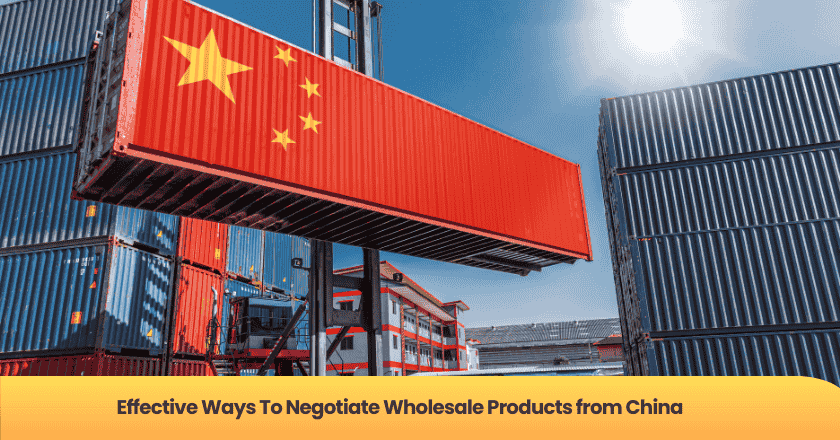
You achieve successful negotiation for wholesale products from China by preparing thoroughly and understanding supplier expectations. You secure better prices through clear requirements, market research, and goal setting. Building trust and mastering business communication in China help you avoid common pitfalls. You strengthen your position by focusing on relationship-building and using informed strategies during each stage of the negotiation process.
Building Trust and Business Communication in China
Establishing Supplier Relationships
You build strong supplier relationships by showing respect and consistency. In China, trust forms the foundation of successful business partnerships. You demonstrate reliability by honoring commitments and responding promptly to inquiries. Many suppliers value long-term cooperation over quick transactions. You can schedule regular check-ins to discuss progress and address concerns. Suppliers appreciate when you show interest in their business and understand their challenges. You create goodwill by following proper business etiquette, such as greeting politely and expressing gratitude for their efforts.
Effective Communication Strategies
You improve negotiations by using clear and direct language. Visual aids, such as product photos or diagrams, help clarify your requirements. You avoid misunderstandings by confirming details in writing and summarizing agreements after each discussion. You maintain professionalism by using formal greetings and titles. Suppliers respond positively when you respect business etiquette, such as avoiding slang and keeping messages concise. You listen actively and ask questions to ensure mutual understanding. You can use bullet points or tables to organize information, making it easier for suppliers to review your requests.
Tip: You should always double-check translations and confirm technical terms to prevent confusion during business communication in China.
Understanding Cultural Nuances
You succeed in negotiations by recognizing cultural differences. In China, indirect communication and saving face play important roles. You avoid criticizing suppliers in public and address issues privately. You show patience during negotiations, as decisions may take time. You follow business etiquette by exchanging business cards with both hands and using respectful language. You adapt your approach based on feedback and remain flexible when discussing terms. You build trust by respecting traditions and learning about local customs.
Business Negotiations with Chinese Suppliers
Starting with Small Orders
You should begin business negotiations by requesting small trial orders. This approach helps you test supplier reliability and product quality without committing large amounts of capital. Suppliers often agree to small orders if you present yourself as a serious buyer with long-term potential. You gain leverage by showing that you want to build a relationship, not just make a one-time purchase. Starting small also allows you to evaluate the supplier’s communication and delivery performance before scaling up.
Tip: Always clarify your expectations for quality and delivery timelines, even for small orders. This sets the standard for future business negotiations.
Leveraging Bulk and Repeat Orders
You unlock better deals when you negotiate based on volume. Suppliers in China value long-term partnerships and consistent orders. You can use this to your advantage by discussing future bulk or repeat orders during business negotiations. When you show a willingness to place larger or ongoing orders, suppliers often offer the best price and more favorable terms. You should outline your projected order schedule and ask for discounts or added services, such as free samples or improved packaging.
Benefits of Bulk and Repeat Orders:
- Lower unit costs
- Priority production slots
- Enhanced supplier commitment
You should always confirm that the best price applies to the entire order and not just the first shipment. This ensures transparency and avoids misunderstandings later.
Using Multiple Quotes for Better Deals
You strengthen your position in business negotiations by collecting quotes from several suppliers. This process gives you a clear understanding of the market and helps you identify the best price for wholesale products from China. When you present competing offers, suppliers often become more flexible with their pricing and terms. You should never reveal your entire budget or the lowest quote you have received. Instead, use the information to encourage suppliers to match or beat the best price you have found.
Note: Comparing offers side by side helps you spot hidden costs and negotiate for the best price and terms.
Involving Sourcing Agents like NewbuyingAgent
You can improve your business negotiations by involving experienced sourcing agents. These professionals understand the local market and have established relationships with suppliers. Sourcing agents help you communicate your requirements clearly and negotiate for the best price on your behalf. They often know which negotiation strategies work best in the Chinese market. You benefit from their expertise in handling contracts, quality checks, and logistics. By using a sourcing agent, you reduce risks and save time, especially if you are new to sourcing wholesale products from China.
Sourcing agents can help you avoid common pitfalls and secure the best price, even when dealing with complex product categories or large orders.
Clarifying Terms and Ensuring Quality
Payment and Delivery Terms
You strengthen your negotiation by clarifying payment and delivery terms before finalizing any deal. Suppliers often offer several payment options, such as wire transfer, PayPal, or letter of credit. You should request flexible payment terms that support your cash flow, like partial deposits or staggered payments. Delivery schedules play a crucial role in your supply chain. You need to confirm lead times, shipping methods, and incoterms (such as FOB or CIF) to avoid unexpected delays or costs. Always document these terms in writing to prevent misunderstandings.
Tip: Ask for a production timeline and shipping schedule. This helps you track progress and plan your inventory.
Quality Assurance and Product Standards
You protect your business by setting clear quality standards. Define your expectations for materials, workmanship, and packaging. Request product samples or photos before mass production begins. You should arrange for third-party inspections or factory audits if possible. Many suppliers agree to pre-shipment inspections to verify product quality. You need to specify acceptable tolerances and testing requirements. If any issues arise, you should negotiate compensation or replacement terms in advance.
| Quality Control Checklist | Description |
|---|---|
| Material Verification | Confirm raw materials |
| Sample Approval | Review prototypes |
| Pre-shipment Inspection | Check finished goods |
| Packaging Standards | Assess packaging |
Written Agreements and Documentation
You secure your interests by insisting on written agreements. Contracts should outline all negotiated terms, including price, quantity, payment schedule, delivery dates, and quality standards. You need to include clauses for dispute resolution and compensation for quality issues. Written documentation reduces the risk of miscommunication and provides legal protection. You should keep copies of all contracts, purchase orders, and correspondence. If problems occur, these documents serve as evidence and support your claims.
Note: Always review agreements carefully and consult a legal expert if needed. Clear documentation builds trust and ensures accountability.
Avoiding Pitfalls in Wholesale Sourcing
Identifying Red Flags and Scams
You must stay alert when sourcing wholesale products. Scammers often use tactics that seem legitimate at first glance. Watch for suppliers who avoid video calls or refuse to share business licenses. You should question deals that sound too good to be true, such as extremely low prices or unrealistic delivery promises. Suppliers who pressure you to pay quickly or only accept risky payment methods, like Western Union, often signal trouble.
Common Red Flags:
- No verifiable business address
- Unprofessional communication
- Incomplete or fake certificates
- Reluctance to provide references
Tip: Always trust your instincts. If something feels off, investigate further before making any commitments.
Verifying Supplier Credentials
You protect your investment by verifying supplier credentials. Request copies of business licenses and export certificates. You should check the supplier’s registration on official government websites. Use third-party inspection services to confirm factory existence and production capabilities. Ask for references from previous buyers and contact them directly.
| Verification Step | Why It Matters |
|---|---|
| Business License Check | Confirms legal operation |
| Factory Audit | Validates production capacity |
| Reference Verification | Reveals supplier reputation |
| Certificate Review | Ensures compliance |
You should document every verification step. This process helps you avoid costly mistakes and build confidence in your supplier selection.
Protecting Your Interests
You safeguard your interests by setting clear terms and using secure payment methods. Always insist on written contracts that outline product specifications, payment schedules, and delivery timelines. Use escrow services or letters of credit for large transactions. You should keep records of all communications and agreements.
Best Practices for Protection:
1. Use secure payment channels.
2. Specify dispute resolution procedures.
3. Schedule regular quality inspections.
4. Maintain detailed documentation.
Note: Careful preparation and thorough verification reduce your risk and help you source products with confidence.
Finalizing Deals and Building Long-Term Partnerships
Confirming Contracts and Orders
You secure your business interests by confirming every detail before you finalize any deal. Review the contract carefully. Check that all terms, such as price, quantity, payment schedule, and delivery dates, match your negotiations. Request written confirmation from your supplier. This step prevents misunderstandings and protects your investment. Always keep copies of signed contracts and order confirmations for your records.
Tip: Double-check product specifications and quality requirements in the contract. Clear documentation helps you resolve disputes quickly.
Managing Follow-Up and Communication
You maintain strong supplier relationships through regular follow-up. After placing your order, ask for production updates and shipping schedules. Use clear and polite messages to check progress. Address any issues as soon as they arise. Consistent communication shows your commitment to long-term cooperation. Suppliers respond better when you show respect and reliability.
- Send follow-up emails at key production stages.
- Request photos or videos of finished products.
- Confirm shipping details before dispatch.
Planning for Ongoing Collaboration
You build a foundation for long-term cooperation by planning future orders and discussing new opportunities. Share your business goals with your supplier. Ask for feedback on how to improve your partnership. Consider visiting the supplier’s facility to strengthen trust. When you treat your supplier as a partner, you both benefit from stable pricing, better service, and priority support.
Note: Long-term cooperation leads to better deals and smoother sourcing experiences.
You achieve the best results when you prepare thoroughly and apply proven strategies for negotiating wholesale products from China. You build trust, clarify requirements, and verify supplier credentials to secure favorable terms. You improve your chances of successful negotiations by using expert sourcing solutions.
- Apply these tactics to every deal.
- Protect your interests and focus on long-term growth.
Start sourcing wholesale products from China with confidence and unlock new opportunities for your business.
FAQ
How do you find reliable suppliers in China?
You should research supplier backgrounds, check business licenses, and read customer reviews. Request samples before placing large orders. Reliable suppliers respond quickly and provide clear documentation.
What payment methods work best for wholesale orders?
You can use wire transfers, PayPal, or letters of credit. Secure payment methods protect your investment. Always confirm payment terms in writing before sending money.
How do you ensure product quality before shipment?
Request product samples and arrange third-party inspections. Set clear quality standards in your contract. Inspections help you catch issues early and avoid costly mistakes.
What should you include in a wholesale contract?
Include product specifications, prices, payment terms, delivery schedules, and quality requirements. Add clauses for dispute resolution and compensation for defects. Written contracts protect your interests.
How can you avoid scams when sourcing from China?
Verify supplier credentials, use secure payment channels, and avoid deals that seem too good to be true. Trust your instincts and double-check all information before making commitments.
NewBuyingAgent
Related Resources
Get Started Today
Let's Turn Your Sourcing Goals into RealityWeChat:+86 15157124615
WhatsApp:+86 15157124615
Address:Building 10 #39 Xiangyuan Road, Hangzhou, China